

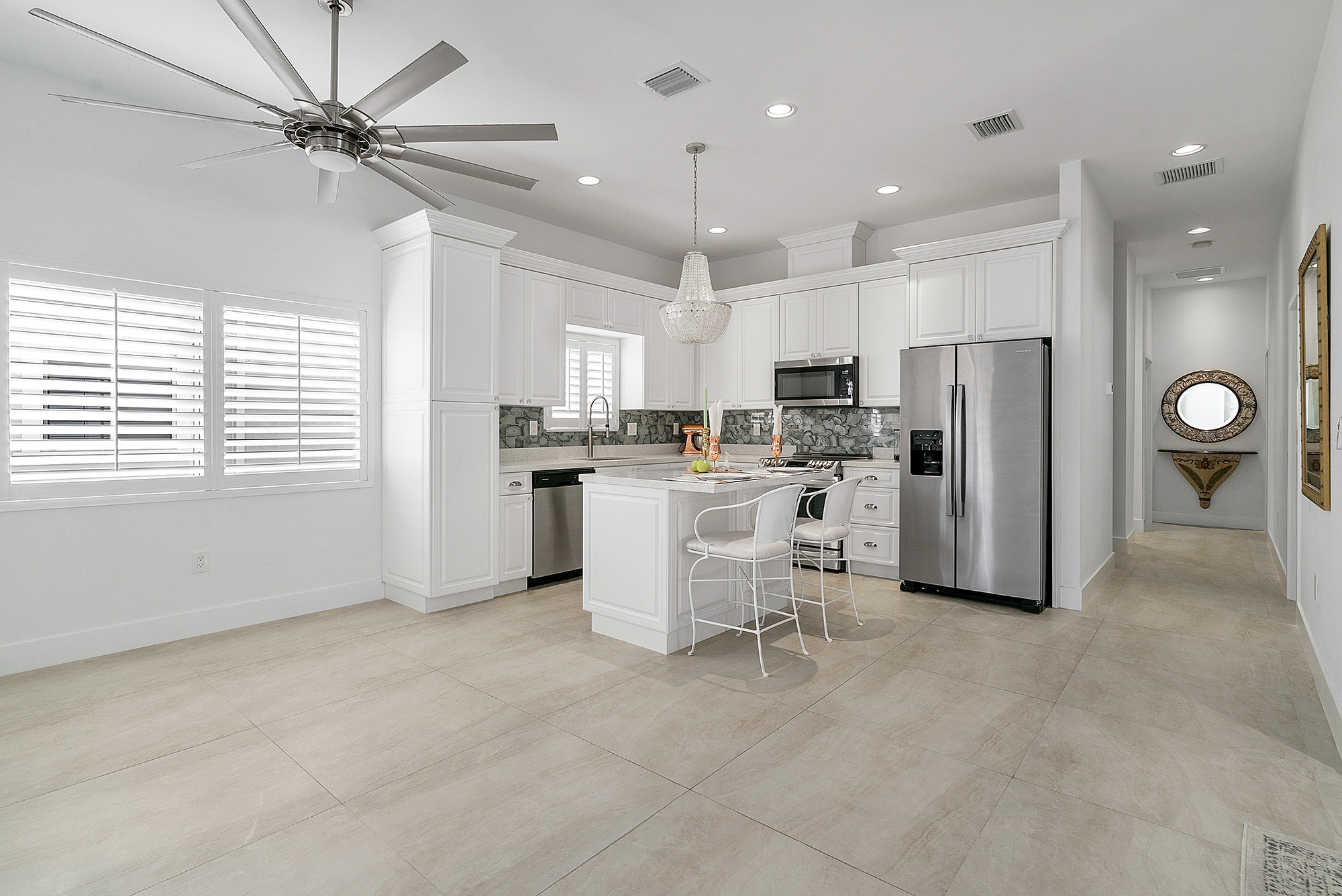
Choosing tile used to involve picking from small squares or basic subway patterns. Today, the shift toward larger dimensions has changed how we think about bathroom floors and kitchen backsplashes. Homeowners are often looking for ways to make their spaces feel more open while cutting down on the time spent scrubbing floors. Selecting a larger tile addresses both of these goals by creating a cleaner, more modern appearance that requires less upkeep.
The Visual Impact of Scaled-Up Surfaces
Standard 12x24 rectangles or even larger porcelain slabs have become the preferred choice for contemporary renovations. Scaled-up surfaces reduce visual clutter by limiting the number of interruptions on the floor. When fewer lines break up the view, the eye travels across the room more easily, which can make a small ensuite feel significantly more spacious.
Large tiles also change how light moves through a room. Fewer grout joints mean a more consistent surface for light to reflect off of, creating a bright and airy atmosphere that feels intentionally designed. This sense of continuity brings a calm, spa-like mood to bathrooms and a sleek, uninterrupted flow to open-concept living areas.
Reducing Maintenance with Fewer Grout Lines
Maintenance remains a top priority for most households. Grout is the most porous part of any tiled surface, meaning it is the first place to collect dirt, moisture, and grime. Increasing the physical size of each tile naturally reduces the number of grout joints throughout the room.
Fewer seams result in a floor that stays cleaner with less effort, as there are simply fewer crevices for dust to settle in. Homeowners spend less time on their hands and knees scrubbing narrow lines and more time enjoying the look of their home. This practical benefit is one of the main reasons large-format porcelain has become a staple in high-traffic entryways and kitchens.
Precision Engineering for Narrower Seams
Achieving a tight, seamless look often involves using rectified tiles. Manufacturers grind or cut these pieces after they are fired in the kiln to ensure every edge is perfectly straight and every tile is identical in size. Customer speak for this is simple: you get a much more precise fit than you would with traditional tiles that have slightly rounded or uneven edges.
Straight edges allow for thinner grout lines, sometimes as narrow as 1.5 millimetres, making the gaps between tiles almost disappear. This precision is what allows a floor to look like a single, solid slab of stone. It removes the busy, grid-like appearance of older tile installations and replaces it with a smooth, sophisticated finish.
Selecting the Right Grout Colour
Picking the right grout colour further enhances the appearance of a solid surface. Matching the grout to the base colour of the tile hides the joints and helps the floor look like a single piece of stone or concrete. Modern high-performance grouts also resist staining and fading better than older cement-based versions.
Choosing a monochromatic scheme allows the natural texture and pattern of the porcelain to stand out without being distracted by dark lines. When the grout blends in, the focus remains on the beauty of the tile itself, whether it mimics soft travertine or industrial grey concrete. This approach creates a quiet backdrop that lets your furniture and decor take centre stage.
Technical Requirements for Large Tile Installation
Working with larger pieces requires a higher level of technical skill and a perfectly flat foundation. Large-format tiles do not have the flexibility to hide bumps or dips in a subfloor like smaller tiles can. Professionals watch for lippage, which is the industry term for when one tile edge sits slightly higher than the one next to it.
Expert installers use levelling clip systems to hold every piece in a perfectly flat plane while the mortar cures. This ensures a smooth finish that won't trip up family members or create uneven shadows under your lights. Proper subfloor preparation is the most important step in ensuring these large surfaces remain stable and crack-free for years.
Modern Applications Throughout the Home
Applications for these tiles extend beyond just the kitchen floor. Vertical installations on shower walls create a sleek environment and eliminate the horizontal seams where soap scum typically builds up. Using the same large tile on both the floor and the walls can create a cohesive, wrap-around effect that feels incredibly luxurious.
Porcelain options that mimic natural marble or limestone provide the beauty of stone with the durability needed for busy Canadian households. These materials handle the temperature shifts of our climate without the sealing and maintenance required by real stone. Whether you are updating a small powder room or a large basement, the move toward bigger tiles offers a timeless, high-quality result.
Achieving a Modern Aesthetic with Large-Format Tile
Modern tile design focuses on simplicity and ease of care. Moving toward larger formats allows for a more expansive feel in any room while significantly reducing the amount of grout you have to maintain. We have spent years helping homeowners find the right balance between style and practical durability for their specific projects. We are here to guide you through selecting the right dimensions and finishes to suit your lifestyle. Visit our showroom to see our selection of large-format porcelain and stone in person, or contact us to discuss your upcoming renovation and learn more about our installation services.


