

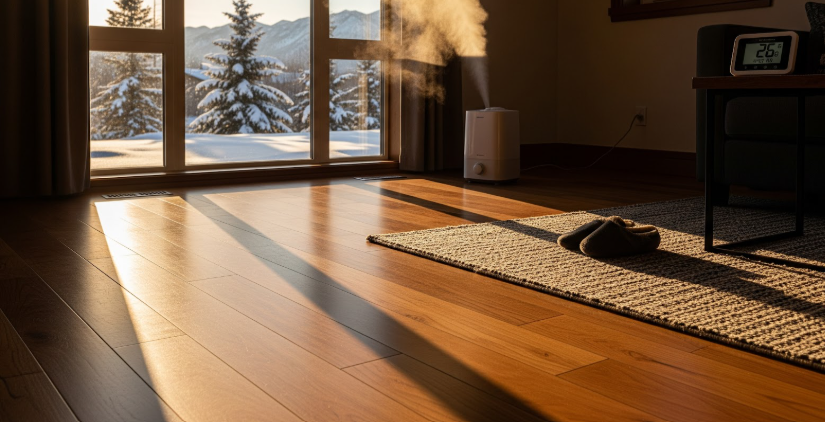
Why Calgary’s Dry Winters Are Tough on Hardwood
Calgary’s winters are known for low humidity, sharp temperature drops, and constant indoor heating — all of which create a challenging environment for hardwood floors. While hardwood brings natural beauty and warmth to a home, it also reacts to dry air more than many other materials. Boards can shrink, small gaps may appear, and finishes lose moisture faster than usual. Families often notice these changes most in living rooms, hallways, and bedrooms where hardwood gets plenty of daily use.
Understanding why winter affects hardwood floors makes it easier to keep them looking their best. Cold air outside, combined with heated air inside, pulls moisture from wood surfaces. This is normal, but proactive care helps your floors stay stable and attractive throughout the season. If you’re exploring expert flooring guidance early in your winter prep, browsing what Westvalley Carpet & Flooring offers can help you make confident decisions about protecting your floors now and in future seasons.
Hardwood is an investment that adds long-term value to your home, and knowing how to maintain it through Calgary’s dry winters ensures it stays beautiful one year after another.
How Dry Air Affects Hardwood Floors
Hardwood is a natural material, so it responds to changes in humidity much like any organic surface. Calgary’s winters regularly drop humidity levels below 30%, and this dry air moves moisture out of the wood planks.
When this happens, families might notice:
Small seasonal gaps between boards
Slight cupping or minor changes in board shape
Creaking noises as the boards shift
A tighter or more brittle feel in older finishes
None of these signs mean your hardwood is failing — they’re simply reactions to the environment. Once spring arrives and humidity rises again, boards usually return to their normal shape.
Hardwood’s sensitivity to dry climates is the reason winter maintenance matters. Simple steps like managing humidity, adjusting thermostats, and cleaning with the right products help your floors remain smooth, stable, and long-lasting.
The Role of Home Heating in Hardwood Movement
Heating systems keep Calgary homes comfortable, but they also contribute to drier air. Forced-air systems, fireplaces, and space heaters remove moisture quickly, and this dryness reaches your hardwood floors.
Here’s how heating affects the wood:
Higher temperatures accelerate moisture loss
Rapid indoor warm-ups after cold snaps cause small shifts in the planks
Air circulation dries finishes faster, especially in older floors
Families often notice the most change during the coldest months, when heating runs continuously. This is when hardwood is most vulnerable to shrinking and shifting.
The good news is that hardwood doesn’t need major intervention — it simply needs the right balance of humidity and gentle care during the heating season. With a few daily habits, you can protect your floors from unnecessary stress caused by winter heating.
Essential Winter Humidity Tips for Hardwood Protection
Humidity control is one of the most effective ways to keep hardwood floors looking beautiful throughout a Calgary winter. Wood prefers a relative humidity range between 35% and 55%. Anything significantly below this encourages shrinking and gaps.
Here’s how to maintain the right balance:
Use a Whole-Home Humidifier
Connecting a humidifier to your furnace provides even moisture throughout your home. It keeps the air comfortable and protects wood surfaces from drying too quickly.
Add Portable Humidifiers in High-Traffic Areas
If certain rooms feel drier than others, place smaller humidifiers in those spaces. Living rooms and bedrooms often benefit most.
Monitor Humidity Levels
A basic digital hygrometer helps you track humidity so you can adjust settings when needed. Keeping the reading stable makes a noticeable difference in how your floors behave.
Avoid Extreme Heating Fluctuations
Sudden temperature spikes can stress hardwood. Aim for consistent heating throughout the day and night.
Smooth humidity control prevents many winter issues and helps hardwood retain its natural beauty with minimal effort.
Cleaning Hardwood Floors Safely During Winter
Cleaning hardwood during winter requires a gentle approach. With more dirt and salt coming indoors, homes naturally need more cleaning — but winter dryness means the wrong products can damage finishes faster.
Here’s how to clean effectively without stripping moisture or shine:
Choose a Hardwood-Safe Cleaner
Avoid harsh detergents or strong chemicals that can dull the finish. A mild, pH-balanced hardwood cleaner works best.
Sweep and Vacuum Frequently
Salt, grit, and dirt scratch wood surfaces. Daily light cleaning protects the finish and keeps rooms looking fresh.
Use a Damp Mop — Never Wet
Moisture control is key. A slightly damp microfiber mop is ideal for everyday cleaning without oversaturating the wood.
Dry Entryways Twice as Often
Winter mess tends to spread quickly. Make sure rugs and mats stay dry, and clean boot runoff promptly.
A simple winter cleaning routine helps your hardwood floors maintain their colour, shine, and smooth texture throughout the season.
Preventing Surface Damage from Winter Shoes and Salt
Nothing tests hardwood flooring quite like winter footwear. Heavy boots carry road salt, gravel, snow, and moisture — all capable of scratching or staining hardwood if left unmanaged.
Smart preventative steps make a noticeable difference:
Add Large Entry Mats
Use mats both outside and inside your doorways to catch most of the winter debris before it hits the hardwood.
Use Boot Trays
A durable tray keeps melting snow contained and away from your flooring.
Remove Footwear Immediately
Get everyone in the habit of taking off winter shoes at the door. This one routine protects hardwood more than any product can.
Clean Salt Quickly
Salt crystals can be abrasive. Sweeping them up right away prevents scratches and surface wear.
These small habits keep winter grit from causing long-term damage.
Protecting Hardwood from Furniture and Daily Winter Activity
During winter, families spend more time indoors, which means more movement across hardwood floors. Furniture gets repositioned, indoor play increases, and dining rooms see more gatherings.
Here’s how to protect your floors from seasonal wear:
Use Protective Pads
Slide felt pads under chairs, furniture legs, and movable pieces. They reduce friction and prevent scuffing.
Lift, Don’t Drag
When rearranging furniture, lift items completely instead of sliding them across the floor.
Add Area Rugs in High-Use Spaces
Rugs add warmth and cushion heavy traffic spots like hallways or playrooms. They also help balance humidity underfoot.
Keep Pet Nails Trimmed
Shorter nails protect floor finishes and prevent small surface scratches.
These simple steps keep your hardwood looking well-maintained all winter long.
Refinishing or Refreshing Hardwood Before Winter Arrives
Preparing your hardwood before Calgary’s dry season begins can prevent many winter issues. A refreshed finish helps seal moisture in the wood and protects it from surface wear.
Here are common pre-winter improvements:
Screening and Recoating
A light buff and a new coat of finish strengthen the protective layer without sanding the entire floor.
Spot Repairs
Small gaps, minor scratches, or wear patches can be addressed before dry air makes them more noticeable.
Full Refinishing
Older floors benefit from a full sand and refinish before winter. It restores natural beauty and provides a strong barrier against dryness and winter traffic.
Many Calgary homeowners schedule maintenance in early fall so their hardwood is fully prepared before humidity drops.
Common Winter Hardwood Myths Calgary Homeowners Should Ignore
There’s plenty of confusing advice out there about winter hardwood care. Clearing up a few misconceptions makes maintenance easier.
“Gaps Mean Something Is Wrong”
Small seasonal gaps are normal in dry climates like Calgary.
“You Should Keep Floors Wet When Cleaning”
Too much water damages wood. Damp mops are ideal.
“Hardwood Isn’t a Good Choice for Calgary Winters”
With proper care, hardwood performs beautifully year-round.
“Humidifiers Cause More Harm Than Good”
Over-humidifying can cause problems, but maintaining the correct range protects your floors.
Knowing what’s true — and what isn’t — helps homeowners care for hardwood with confidence.
The Best Hardwood Choices for Calgary’s Climate
Calgary’s dry winters make some hardwood types more stable than others. Choosing the right hardwood can minimise seasonal movement and long-term maintenance.
Engineered Hardwood
Built with multiple layers, engineered hardwood offers better stability in dry climates and handles winter shifts more gracefully than solid planks.
Wider Planks
While beautiful, wide planks may show gaps more than narrow ones. Engineered versions reduce this concern significantly.
Oak, Hickory, and Maple
These durable species resist wear and maintain structure well during seasonal changes.
UV-Cured Finishes
These modern finishes provide excellent surface protection and resist winter dryness better than traditional coatings.
If you’re planning future upgrades, browsing high-quality hardwood flooring options can give you a clear sense of which products perform best in Calgary homes.
Make Your Hardwood Floors Winter-Ready with Smart Maintenance
Hardwood floors bring warmth, beauty, and character to Calgary homes, especially during long winters. With the right care — from managing humidity to gentle cleaning routines — your floors stay smooth, stable, and inviting all season long.
Hardwood reacts to climate, but it also responds beautifully to thoughtful maintenance. Whether you have recently installed floors or have loved them for years, a few smart habits help preserve their natural charm.
If you’d like friendly guidance on maintaining your existing hardwood or selecting the right option for your next renovation, you can always get in touch for support that makes the process simple and straightforward.
Your hardwood can stay beautiful all winter long — and for many winters to come.


